loading...
.
\  :  /
' _ '
-= ( (_) ) =-
.   .
/  :  \
'
prisect.d

i'm dima. i design and engineer systems, and i fly planes.

most of my time goes into low level software, the kind that talks straight to hardware with nothing in between. i want to know why a wing stays in the air, what a machine is actually doing underneath, how something learns instead of just guessing well. given the choice, i'll build something from scratch and understand every layer of it rather than stack black boxes on top of each other and hope.

flying isn't a hobby i mention for effect. i'm working toward becoming a pilot, pulled in by the same things that pull me into engineering: discipline, patience, and a healthy respect for the laws that don't care about your excuses. the same laws that keep a plane in the air keep me honest everywhere else.

this page exists because i got tired of explaining the same things to different people, so i put it all in one place. now i just send the link.

i think a lot before i speak. probably too much. i turn things over more times than most people would bother to, and it's cost me time i could have spent just saying the thing and moving on. but most of what i actually know, about people, about myself, i didn't get from getting things right. i got it from getting things wrong and sitting with why afterward. if there's one thing worth taking from this page: don't be afraid of the situations that force you to reason something out the hard way, caught between two sides of a story with no clean answer, whatever that looks like for you. that's usually where the real learning happens, not in the moments where everything already made sense.

if you're curious how things work, or how people do, you're in the right place. i teach, i explain, i share what i learn. no idols, no masters, just understanding.

projects

here are some of the projects i've worked on and currently workign on:

blogs & things

after a few people asked me to share more about the things i work on in my free time, i decided to finally start writing about them.

i don't usually write much about myself, but this is a place where i'll document some of the projects, experiments, and ideas that i find interesting, from software and hardware to aviation, research, and everything in between.

here are some recent posts:

L-band satellite reception

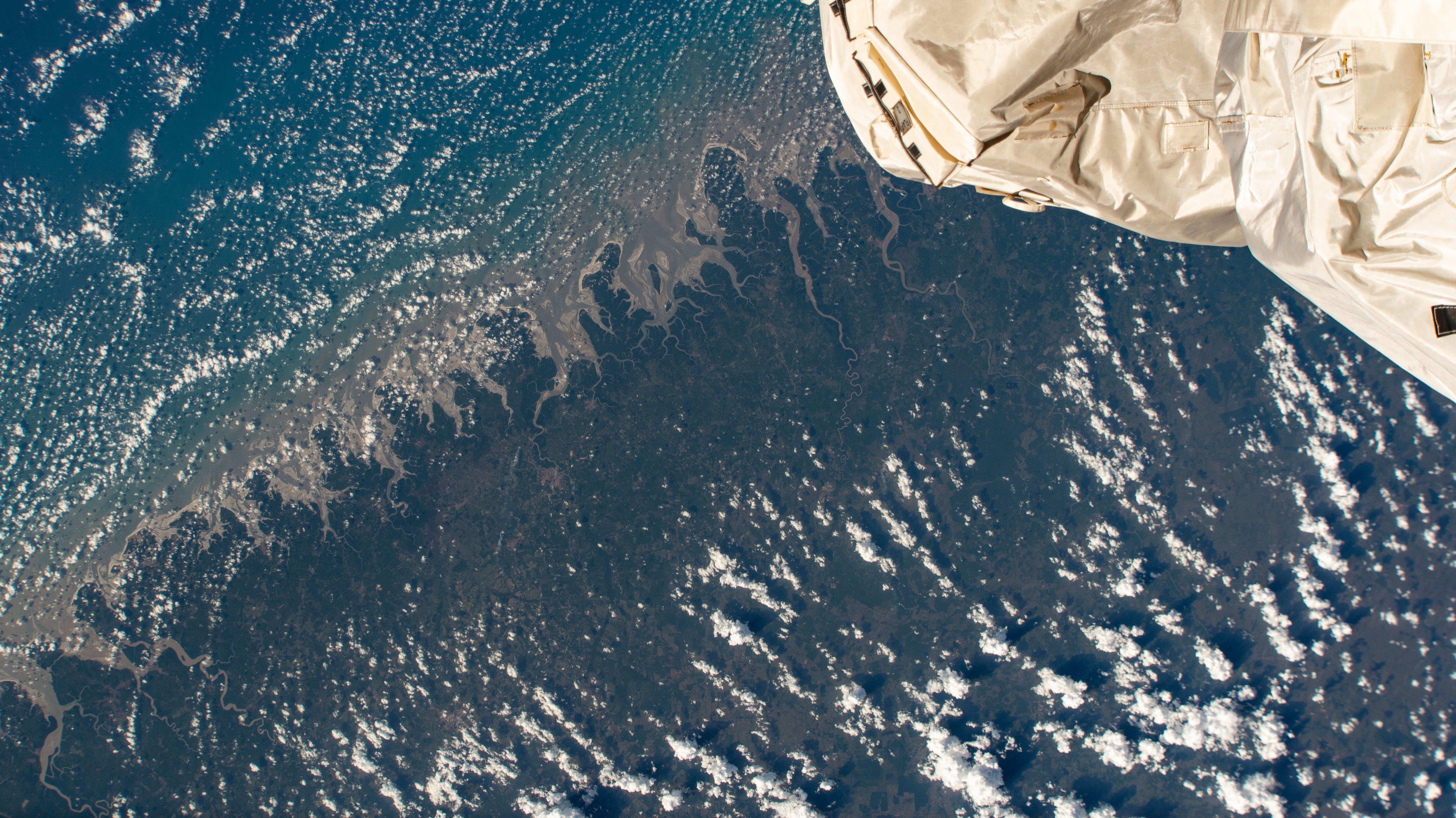
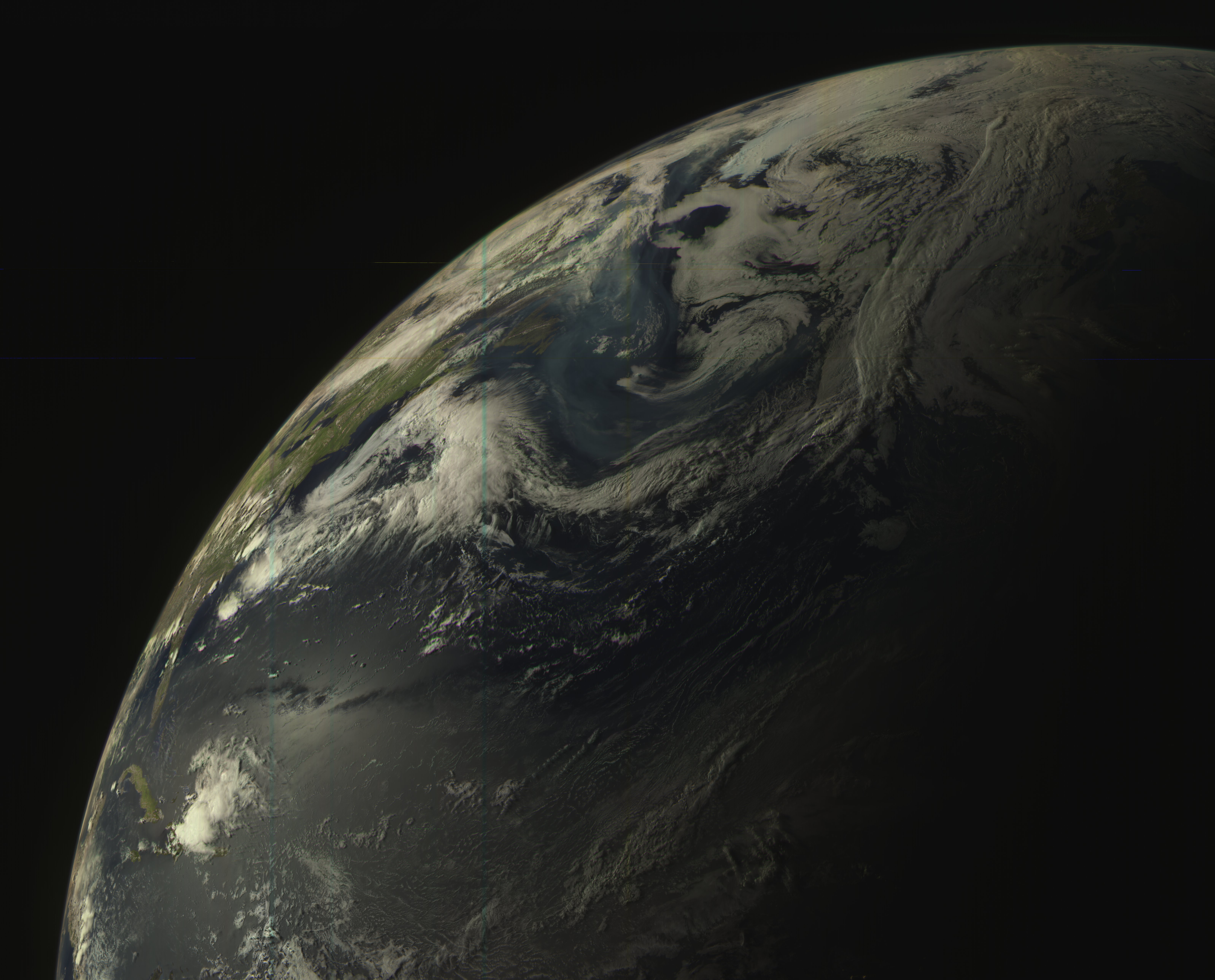
receiving pictures from space with a cheap radio and an antenna is still one of the coolest things i've done. these images were captured from an l-band weather satellite using an rtl-sdr and my own receive setup.

i like projects where i get to understand the entire pipeline instead of treating it like a black box. from rf and signal processing to decoding the final data, that's the part i actually enjoy.

hexar project screenshot showing the main interface
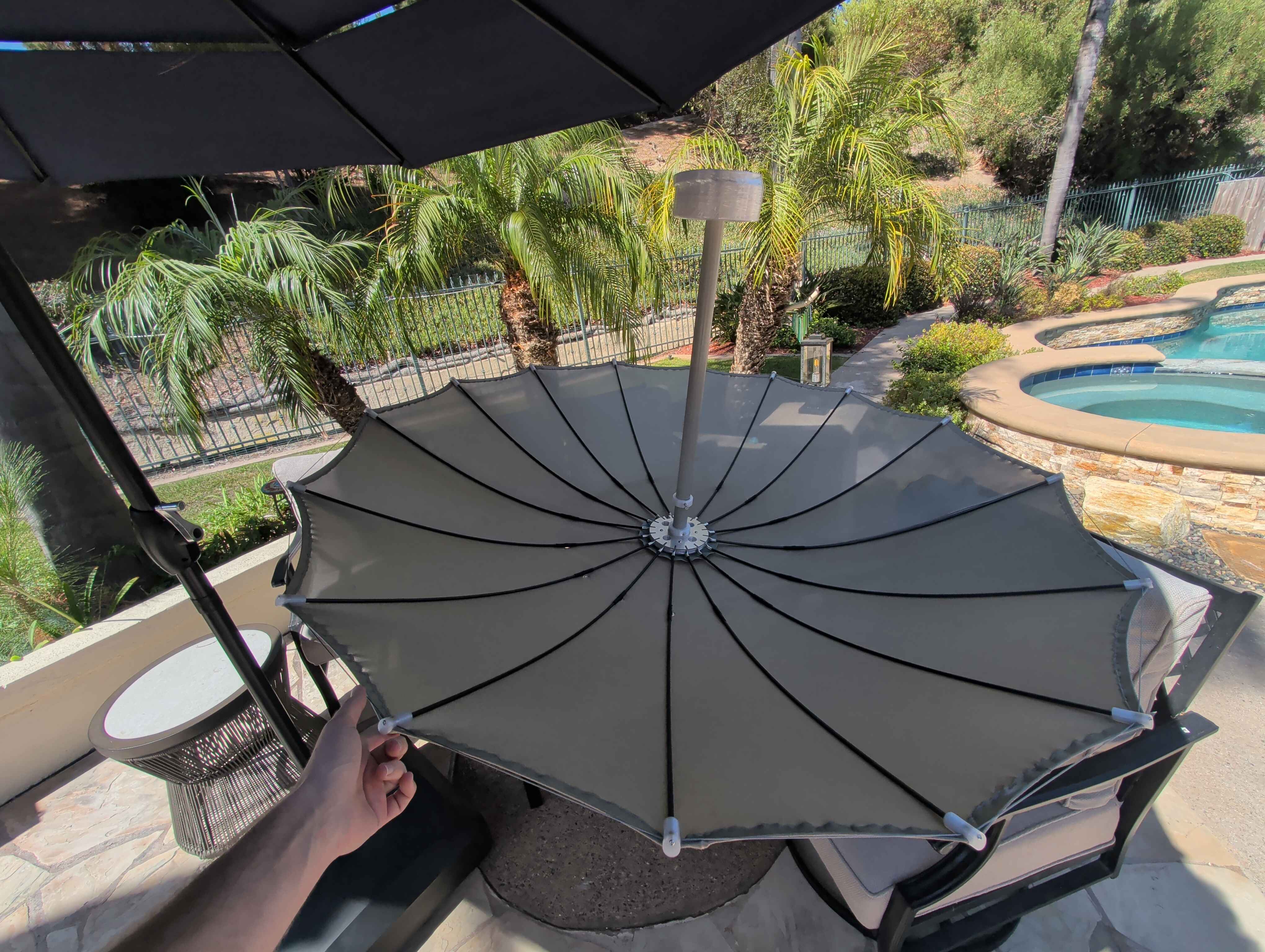
holding the l-band dish in my backyard

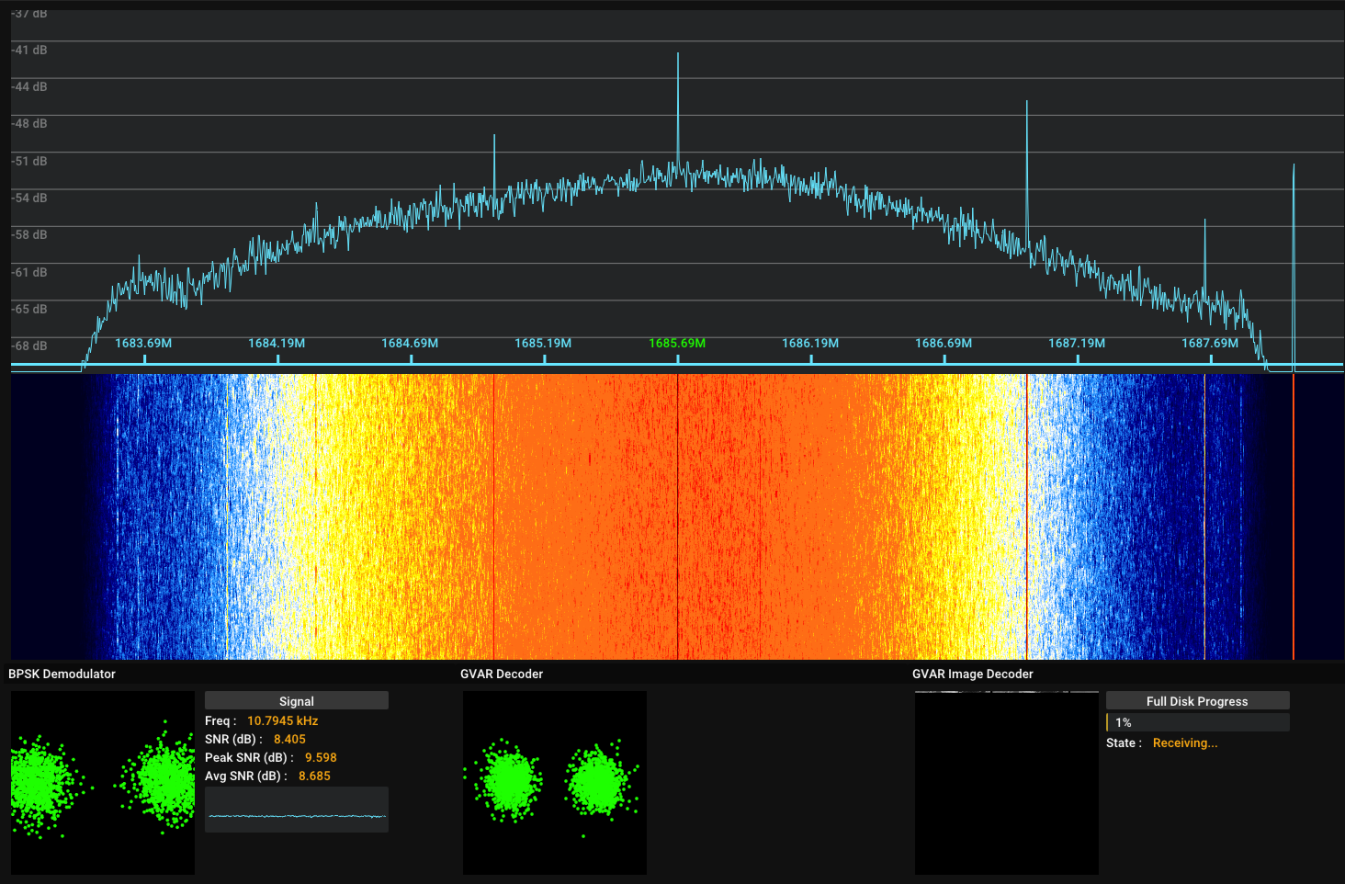
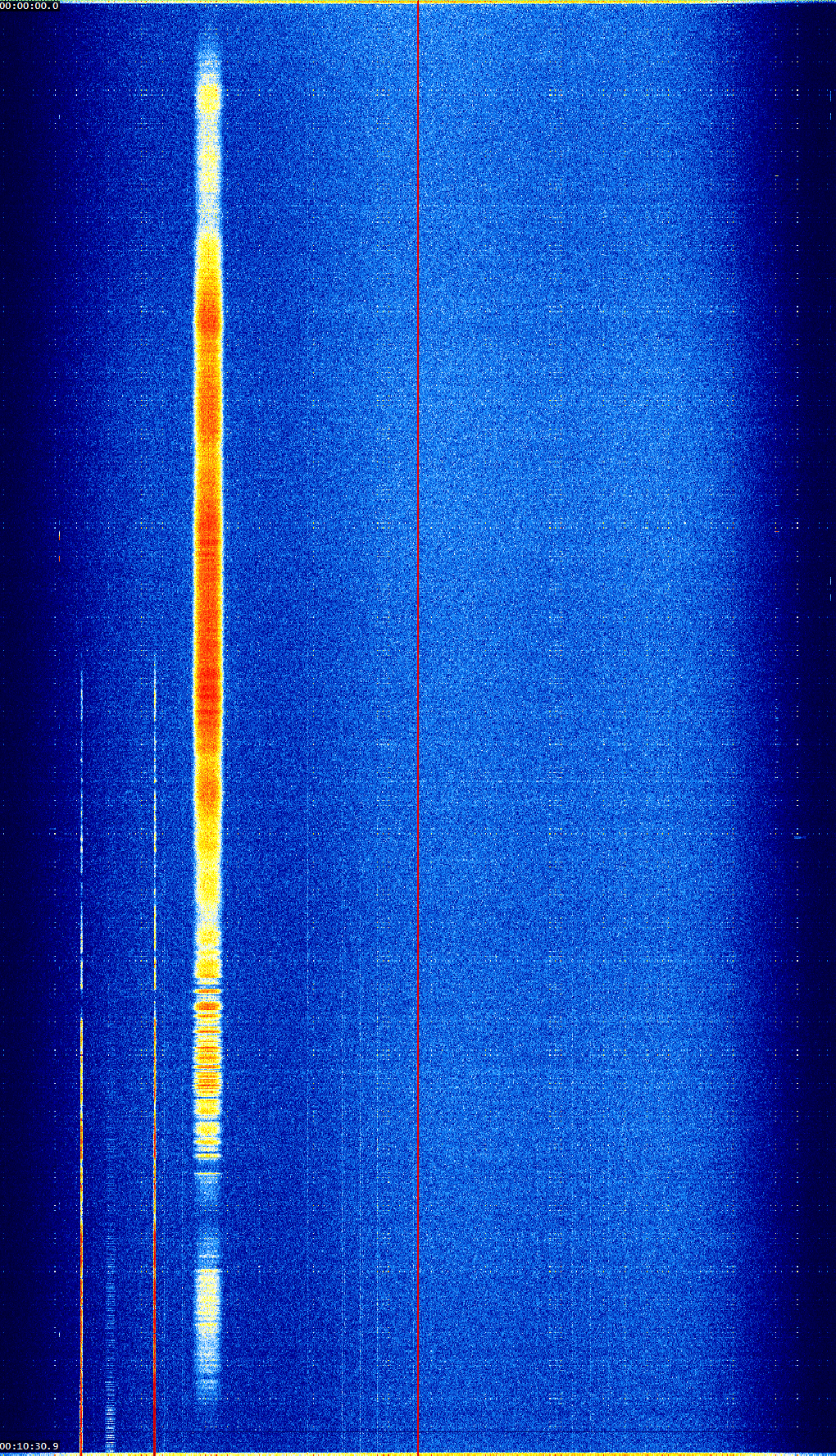
to receive these images, i used an rtl-sdr with an l-band antenna, an lna, and an sawh filter to capture the satellite's signal. the data was received and monitored in sdr#, where i tuned, calibrated, and optimized the signal before passing it through the decoding software.

getting everything working took a fair bit of trial and error. driver issues, frequency drift, gain tuning, and finding the right antenna alignment all made a difference. once the signal was stable, the transmitted data could be decoded into the final weather imagery shown below.

first image second image
screenshot of SatDump decoding and SDRSHARP waterfall

the images below are the decoded output from the received l-band transmission. they're generated directly from the satellite data stream after demodulation and decoding, with no internet source or downloaded imagery involved, everything was received locally using my own equipment.

hexar project screenshot showing the main interface
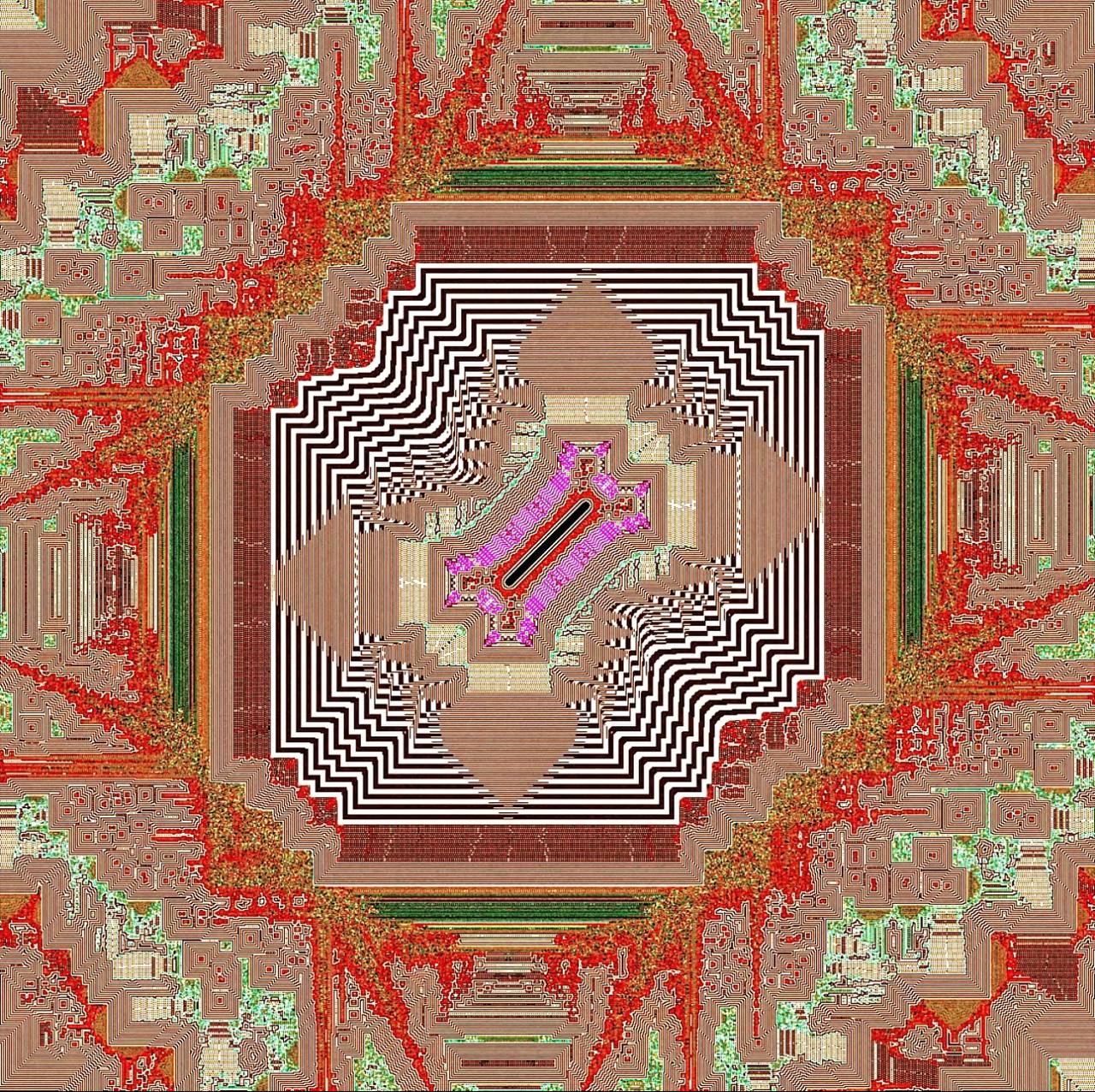
final decoded image of the earth
MOSAIC

this project is an experiment in understanding how the massive amount of public information on the internet can be organized, connected, and explored through artificial intelligence.

the idea is to build a framework capable of collecting publicly available data, processing it, and transforming disconnected pieces of information into a structured knowledge graph. instead of searching through individual pages, the system builds relationships between entities, events, topics, and sources to create a more complete view of how information connects.

the core of the project is a network of specialized ai agents working together. each agent has a specific role: collecting information, analyzing content, identifying patterns, improving classifications, and correcting previous assumptions. the system continuously refines its understanding of the data rather than relying on a single static model.

each analyzed entity is represented through a dynamic profile built from available information, timelines, interactions, and related connections. the objective is not simply to store data, but to create an explorable model of information, a way to navigate through the relationships hidden inside the internet.

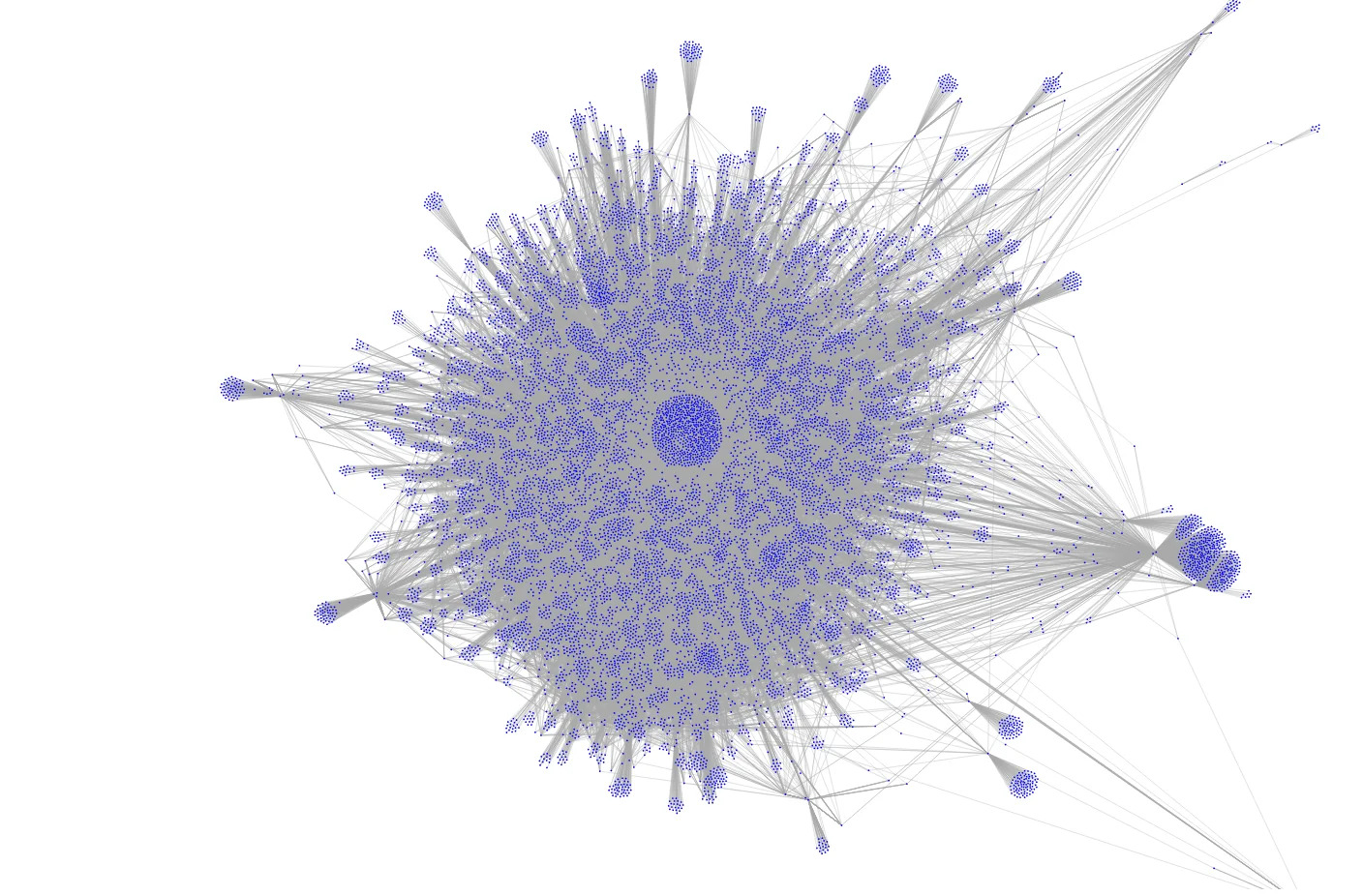
the visualization side of the project focuses on creating a "network view" of these connections: an interactive graph where nodes represent entities, events, or sources, and edges represent relationships between them. the result is closer to exploring a living map of information rather than reading isolated search results.

a future extension of this project is hexar, a hardware platform designed around six antennas and one processing unit. shaped like a hexagon, it acts as a configurable radio sensing platform capable of scanning selected frequencies and assisting with pattern recognition. the goal is to explore how physical signals and digital information could eventually be combined into a single analysis system.

technically, the project combines concepts from distributed systems, machine learning, graph databases, natural language processing, autonomous agents, and signal processing. the challenge is not collecting information, the internet already has an absurd amount of it. the challenge is teaching machines how to organize it, understand context, and separate meaningful signals from noise.

the final goal is to explore what happens when you combine large-scale information analysis with adaptive ai systems: creating tools that can help researchers, analysts, and developers understand complex environments in a way that traditional search engines cannot.
hexar project screenshot showing the main interface
a graphing tool for osint. how mosaic would look like